Sète & the Étang de Thau
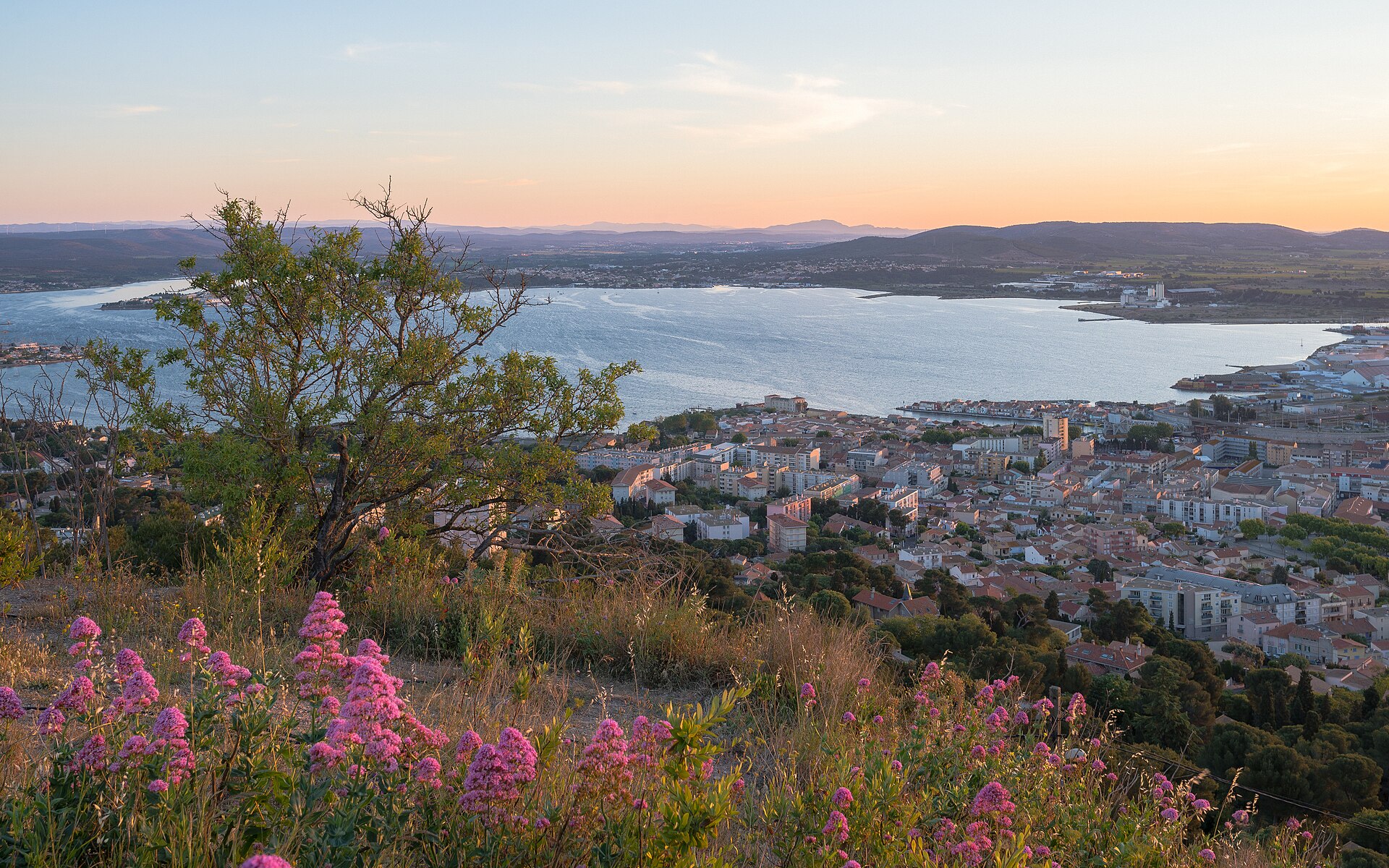
Sète occupies a singular strip between the Mediterranean and the Étang de Thau, bringing together working canals, fishing neighborhoods, Mont Saint-Clair, beaches, water-jousting traditions and a notably literary and artistic identity.
See more than the headline sights.
Bon Voyage treats a destination as a connected world: history, neighborhoods, food, nearby escapes and the port or route that brought you here all belong to the same journey.
Sète's canals and maritime character begin with a seventeenth-century decision to give inland trade a way to the sea.
The official Archipel de Thau history traces Sète's foundation to Louis XIV's Canal du Midi project: a protected port was begun below Mont Saint-Clair in 1666 so the canal system could reach the Mediterranean. Fishing, trade and successive communities then shaped a city of working quays and strong local traditions. Today the same geography explains a coherent visit—central canals and the Halles, maritime districts such as Pointe Courte, the views and memorial landscapes of Mont Saint-Clair, and the separate lagoon world of Thau. The birthplace of Georges Brassens and Paul Valéry also carries museums, open-air art and performance traditions that deserve more than a hurried transit stop.
Story source: Archipel de Thau · Official Sète destination and history guideKnow the gateway behind the destination.
Turn this place into your day.
Tell Frederick your pace, interests, mobility needs, food preferences and how much time you actually have. He can help shape the destination around you instead of handing you a generic checklist.